
Highlights
- Cannabis-related properties range from retail dispensaries to large-scale cultivation and processing facilities.
- Different property types often present unique zoning, development, and transaction considerations.
- Cannabis real estate may include existing commercial buildings, mixed-use properties, and undeveloped land.
- Experienced title support can help buyers, sellers, lenders, and investors navigate complex transactions with confidence.
Types of cannabis-related properties continue to expand as the industry evolves, creating opportunities for investors, operators, developers, and property owners.
From retail dispensaries and cultivation facilities to manufacturing sites and undeveloped land, cannabis real estate encompasses a wide range of property types. Each transaction comes with its own considerations, such as zoning requirements, land use restrictions, ownership history, easements, and development plans.
At Certified Title Corporation, we provide experienced title and settlement services for many different types of cannabis-related properties. While no two transactions are exactly alike, understanding the most common property categories can help buyers, sellers, and investors better prepare for the process.
In this article, we’ll explore the most common types of cannabis-related properties and some of the unique factors that can affect these transactions.
Retail dispensaries often have location-specific requirements.
Retail dispensaries are among the most visible segments of the cannabis industry.
Because dispensary locations interact directly with customers, site selection is frequently influenced by local zoning ordinances, permitted-use requirements, parking availability, traffic patterns, and distance restrictions from schools or other sensitive locations. Maryland law includes location requirements for dispensaries and allows local jurisdictions to adopt certain zoning standards within state-established parameters.
For buyers and investors, understanding how a property’s legal description, easements, access rights, and zoning align with operational goals are an important part of the due diligence process.
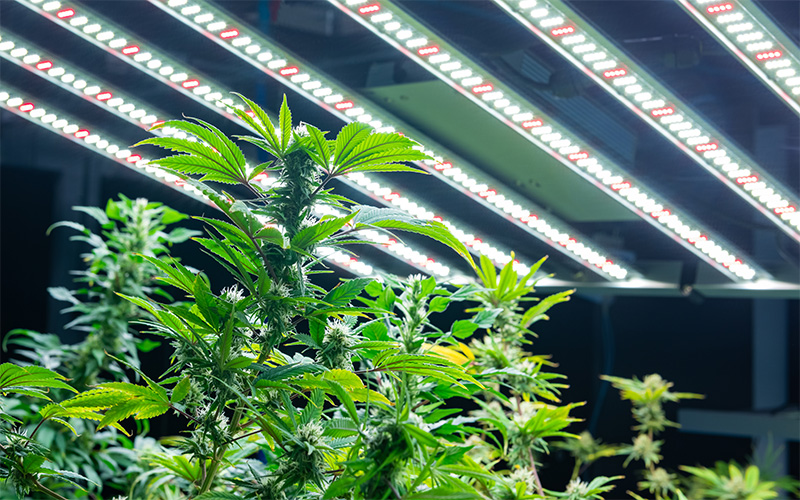
Cannabis cultivation facilities require room to grow.
Not all cultivation sites look the same. Some operate within existing commercial buildings, while others are purpose-built agricultural facilities designed to support large-scale production.
These properties may involve additional considerations related to utilities, water access, environmental regulations, land use restrictions, and future expansion plans.
Whether purchasing an existing facility or developing a new operation, property owners often need a clear understanding of the property’s history, boundaries, and legal status before moving forward.
Processing and manufacturing sites support the supply chain.
Before a product reaches dispensary shelves, it passes through facilities where it is processed, tested, packaged, or otherwise prepared for distribution.
These properties may occupy industrial buildings, warehouses, or specialized facilities designed to accommodate manufacturing equipment and regulatory requirements.
Because processing operations often involve significant capital investment, buyers and lenders typically benefit from thorough title review and careful attention to property-related risks that could affect future operations.
Commercial and mixed-use properties offer flexibility.
Not every cannabis business operates in a purpose-built facility.
Some businesses occupy traditional commercial buildings, office space, industrial parks, or mixed-use developments. These properties may offer flexibility, but they can also present unique challenges involving permitted uses, association restrictions, shared access agreements, or lease arrangements.
Understanding the property’s legal framework can help avoid surprises later in the transaction process.
Undeveloped land creates opportunities for future cannabis operations.
For some buyers, a vacant parcel offers the flexibility to design a facility around specific operational and regulatory needs rather than adapt an existing property.
Developers and investors may purchase land with plans for future cultivation, processing, manufacturing, distribution, or retail operations. These transactions often require additional research into zoning, development restrictions, utility availability, environmental factors, and access rights.
The earlier potential issues are identified, the easier it becomes to evaluate development opportunities and long-term project feasibility.
Each cannabis real estate transaction is different.
One of the defining characteristics of cannabis real estate is that no two properties are exactly alike.
A retail dispensary in a downtown commercial district presents different considerations than a cultivation facility on agricultural land or a manufacturing operation in an industrial park. As a result, title and settlement services need to be tailored to the specific property, transaction structure, and business objectives involved.
Understanding those differences helps buyers, sellers, lenders, and investors make informed decisions throughout the transaction process.
The right title partner delivers a smoother transaction.
Cannabis real estate transactions often involve unique considerations, but the goal remains the same: helping all parties move forward with confidence.
Whether the property involves a dispensary, cultivation facility, processing operation, commercial building, or undeveloped land, a thorough title review can help identify potential issues before closing and support a smoother path to ownership.
Certified Title Corporation provides full-service title and settlement support for a wide range of cannabis real estate transactions. With every property presenting its own set of considerations, thorough research, clear communication, and proactive problem-solving help keep transactions on track from contract to closing.
FAQs
1. What are the most common types of cannabis-related properties?
Cannabis-related properties include retail dispensaries, cannabis cultivation facilities, processing and manufacturing sites, commercial buildings, mixed-use properties, and undeveloped land intended for future cannabis operations.
2. What makes cannabis real estate different from other commercial properties?
Cannabis real estate often involves additional considerations related to zoning, licensing, land use regulations, operational requirements, and local restrictions that may not apply to traditional commercial properties.
3. Are dispensary locations subject to special requirements?
Yes. Many jurisdictions regulate where dispensary locations can operate and may impose requirements involving distance from schools, zoning classifications, parking, or other local considerations.
4. What should buyers evaluate before purchasing cannabis cultivation facilities?
Buyers should consider property boundaries, utility access, zoning requirements, environmental factors, development potential, and any title issues that could affect future operations.
5. Can undeveloped land be used for cannabis operations?
In some cases, yes. However, development plans must comply with local zoning, land use regulations, permitting requirements, and other property-specific considerations.
6. Why is title work important for cannabis real estate transactions?
The title review process helps identify ownership issues, easements, restrictions, liens, and other matters that could affect property rights or future use of the property.
7. Does Certified Title support multiple types of cannabis-related properties?
Yes. Certified Title provides title and settlement services for a wide range of cannabis-related properties, including dispensaries, cultivation facilities, processing sites, commercial buildings, mixed-use developments, and undeveloped land.
Certified Title Corporation works with property owners, lenders, and cannabis businesses to navigate the unique considerations of cannabis real estate. From due diligence through closing, our team is committed to helping clients move forward with confidence. Contact us to discuss your upcoming transaction.
About Certified Title Corporation: Since 1994, attorney-owned Certified Title Corporation has been furnishing residential and commercial real estate stakeholders across the nation with robust title insurance, settlement, and escrow services. Renowned for its industry-leading reliability and exemplary level of service and quality, the Maryland-based company helps clients from all walks of life achieve their asset goals. To learn more, call (888)486-5511 or visit https://www.certifiedtitlecorp.com/.