
Highlights
- Home title lock and title insurance serve different purposes.
- Understanding how each one works helps homeowners make informed decisions.
- Title monitoring is just one piece of a broader protection strategy.
- Learning the facts can help safeguard real estate investments and provide peace of mind.
Home title lock can be confusing because it doesn’t work the way many people assume.
The name has led many homeowners to believe these services somehow prevent title fraud altogether. As concerns about real estate fraud continue to grow, people want greater peace of mind.
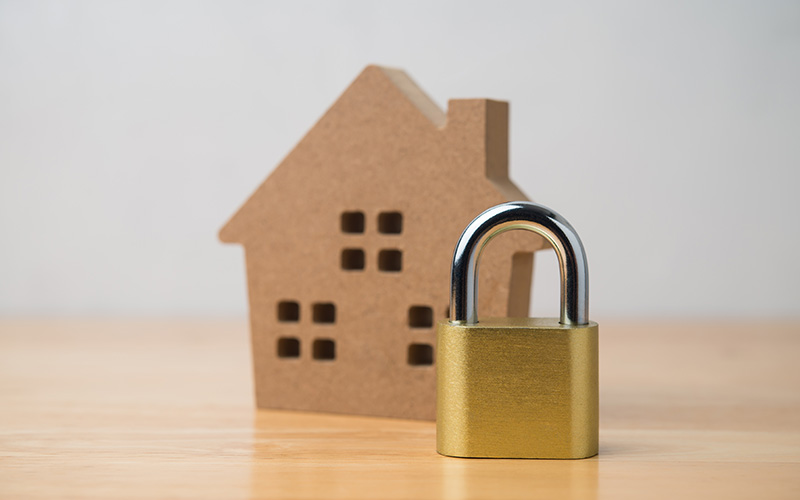 Understanding home title lock and how it fits alongside other forms of protection can help you make informed decisions for your property.
Read on to learn what these services do, what they don’t do, and additional steps you can take to help protect your investment.
It’s important to know what title monitoring is designed to do.
Many people think these services are intended to stop fraudulent activity before it occurs. In reality, their primary purpose is to monitor publicly recorded property activity and notify homeowners if something requires attention.
Getting an alert doesn’t prevent fraud, but it may allow recipients to respond more quickly if suspicious activity is detected. Understanding this distinction helps set realistic expectations while recognizing the value these services may provide. (Source: Federal Trade Commission, Home title lock won’t lock all title fraud)
Growing awareness has encouraged homeowners to ask more questions.
Stories about deed fraud and identity theft have prompted many people to think more carefully about protecting their property. That’s a positive development because knowing the potential risks is an important part of responsible homeownership.
Rather than relying on marketing claims alone, homeowners should take time to understand how different products and services work, what protections they offer, and the limitations.
Title insurance remains a vital part of protecting ownership.
One of the most common misunderstandings is believing title monitoring replaces title insurance. In reality, each serves a different purpose.
Title insurance protects against covered title defects and ownership issues that existed before a property was purchased. Monitoring services focus on helping homeowners stay informed about activity that may occur after closing.
When viewed together, it’s easier to see that these protections complement one another rather than serve as substitutes.
Safeguarding real estate requires more than one strategy.
No single product eliminates every potential risk associated with property ownership. While title insurance helps protect against covered title issues from before a property was purchased and title monitoring can alert homeowners to certain activity after closing, additional precautions are also worth considering.
Good cybersecurity practices, regular credit monitoring, safeguarding personal information, and periodically reviewing public property records can all help reduce the risk of identity theft and related fraud.
Together with title insurance and, for some homeowners, title monitoring, these measures create a more comprehensive approach to protecting a property investment.
Knowledge is one of the best ways to protect your investment.
The more you understand about title insurance, title monitoring, and property ownership, the better prepared you’ll be to make informed decisions.
Rather than relying on assumptions or confusing marketing messages, understanding how these products and services work can help you confidently choose the solutions that best fit your needs.
Frequently Asked Questions
1. What is Home Title Lock?
Home Title Lock is a title monitoring service that notifies homeowners about certain activity involving their property. It is designed to provide alerts rather than prevent fraudulent filings.
2. Does title monitoring replace title insurance?
No. Each addresses different risks. Title insurance protects against covered title issues that existed before closing, while monitoring services focus on activity that may occur afterward.
3. Can title fraud still occur?
Unfortunately, fraudulent filings can still occur. Monitoring services are intended to help homeowners become aware of potential issues so they can respond appropriately.
4. Is title insurance still important?
Yes. Purchasing title insurance during a real estate transaction remains one of the most essential ways to protect your ownership rights from covered pre-existing title issues.
5. How can Certified Title Corporation help?
Our experienced professionals can answer your questions about title insurance, explain how it works alongside other forms of protection, and help you make informed decisions when buying, selling, or refinancing property.
Protect your investment with trusted title expertise. Certified Title Corporation offers comprehensive title insurance solutions backed by more than 30 years of experience and a commitment to personalized service. Contact us today to learn more or get started.