
To get your home ready for winter, focus on critical tasks that protect against cold weather damage, reduce heat loss, and support safety and comfort.
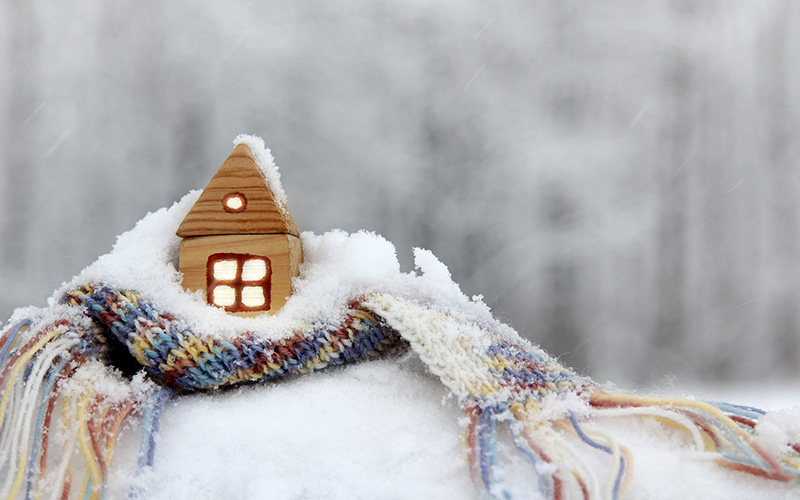
Completing these steps before temperatures drop helps prevent costly repairs, improves energy efficiency, and gets your household prepared for severe weather and power outages.
Winter readiness is more than a checklist, it’s smart risk management. According to the Insurance Information Institute, winter storms, freezing, and related events account for billions of dollars in insured property damage each year in the U.S., often due to frozen pipes, roof damage, and heating system failures (Source: iii.org). Taking action early can significantly reduce those risks. The following seven tasks provide a practical roadmap for getting your home ready for winter and avoiding common cold weather issues.
-
Cleaning gutters helps prevent ice dams and water damage.
When gutters are clogged, melting snow has nowhere to go. Water can refreeze along roof edges, creating ice dams that force moisture under shingles and into walls.
Cleaning your gutters and clearing downspouts before winter allows water to drain properly. This simple task protects your roof, siding, and foundation from winter-related moisture damage and helps preserve your home’s structure.
-
Service the heating system to keep your home safe and efficient.
Your heating system works hardest during winter, and neglecting it increases the risk of breakdowns during cold snaps. Regular maintenance improves efficiency and reliability.
Have your furnace or HVAC system inspected, replace filters, and ensure vents are clear. And don’t forget the water heater. Sediment buildup can reduce performance and shorten its lifespan. A properly maintained heating system supports consistent home heat and helps manage energy costs when temperature drops.
-
Sealing windows and doors reduces cold air and heat loss.
Drafty windows and doors are a leading source of heat loss in winter. Cold air infiltration forces heating systems to work harder, driving up utility bills.
Check windows and doors for gaps, worn seals, or cracks. Applying caulk or weather strip materials helps seal leaks and keeps warm air inside. This step plays a major role in keeping your home ready for winter while improving overall comfort.
-
Protecting pipes prevents freezing and burst plumbing.
Frozen pipes are one of the most common and expensive winter home emergencies. When water freezes, it expands, often causing pipes to burst once temperatures rise.
Insulate exposed pipes in unheated areas, such as basements, garages, and crawl spaces. Drain outdoor hoses, shut off exterior water lines, and consider faucet covers. These steps reduce the risk of water damage during cold weather.
-
Inspecting chimneys and vents protects indoor air quality.
Fireplaces, furnaces, and gas appliances rely on proper ventilation. Blocked or dirty chimneys can trap dangerous gases inside the home.
Have chimneys inspected and cleaned if you plan to use them. Make sure vents are clear of debris, nests, or snow buildup. This helps prevent carbon monoxide exposure and ensures your heating appliances operate safely throughout winter.
-
Testing safety devices keeps you prepared for winter emergencies.
Winter increases reliance on heating equipment, which raises fire and carbon monoxide risks. The National Fire Protection Association reports that home heating fires are most common during the winter months, particularly between December and February (Source: nfpa.org).
Test smoke detectors and carbon monoxide alarms, replace batteries, and confirm proper placement. It’s also wise to prepare for power outages by keeping flashlights, batteries, blankets, and emergency supplies readily available.
-
Preparing exterior areas protects your home from storm damage.
Outdoor preparation is a critical but often overlooked part of preparing for winter. Snow, ice, and wind can damage exterior features if they’re not secured.
Store outdoor furniture, trim weak tree branches, and check siding and foundation areas for cracks. Clearing walkways and keeping ice melt on hand helps reduce slip hazards and makes winter weather easier to manage.
Approach winter preparation with confidence.
- Start early, ideally before the first hard freeze.
- Break tasks into categories: exterior, mechanical systems, and safety checks.
- Some projects are DIY-friendly, while others may require you to hire a professional.
- Keep a simple maintenance log to keep track of what’s been done and plan future upkeep.
When your home is ready for winter, you’re protecting more than property; you’re protecting comfort, safety, and financial stability. Taking time now to prepare helps ensure fewer surprises once cold weather arrives.
At Certified Title, we believe informed homeowners make stronger decisions. Taking steps to keep your home ready for winter is one more way to protect your investment and we’re here to support you every step of the way. Please contact us anytime.